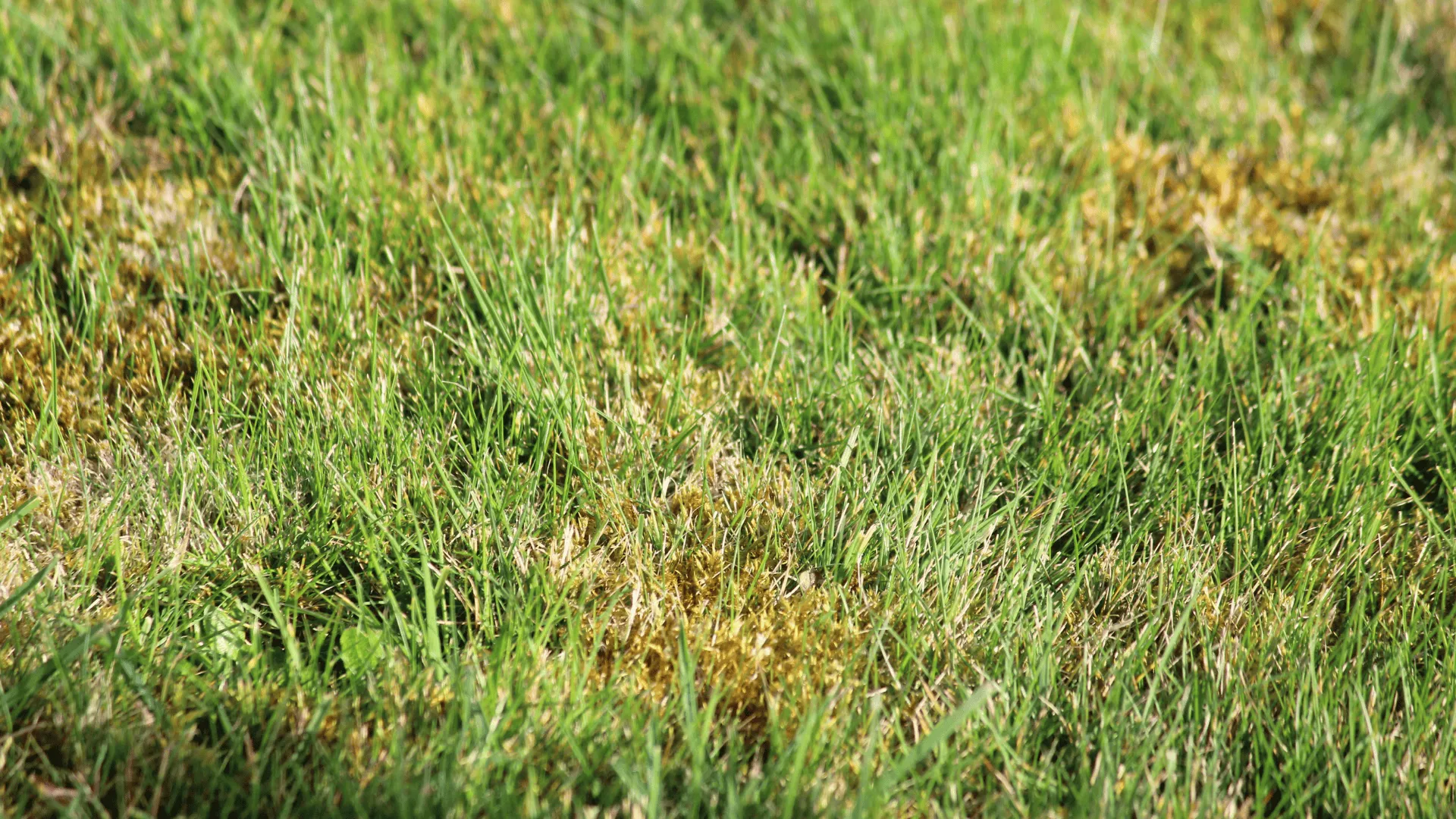
If your Buffalo lawn is starting to look a little dull, patchy or spongy underfoot — even though you mow and water it regularly — you’re not alone. Thatch buildup is a very common issue in Buffalo lawns, especially in Melbourne’s mixed climate. The good news? With the right approach, dethatching is completely manageable and can transform your lawn’s health and appearance.
In this guide, we’ll walk through how to dethatch your Buffalo lawn, why it matters, and how to help it recover stronger than ever.
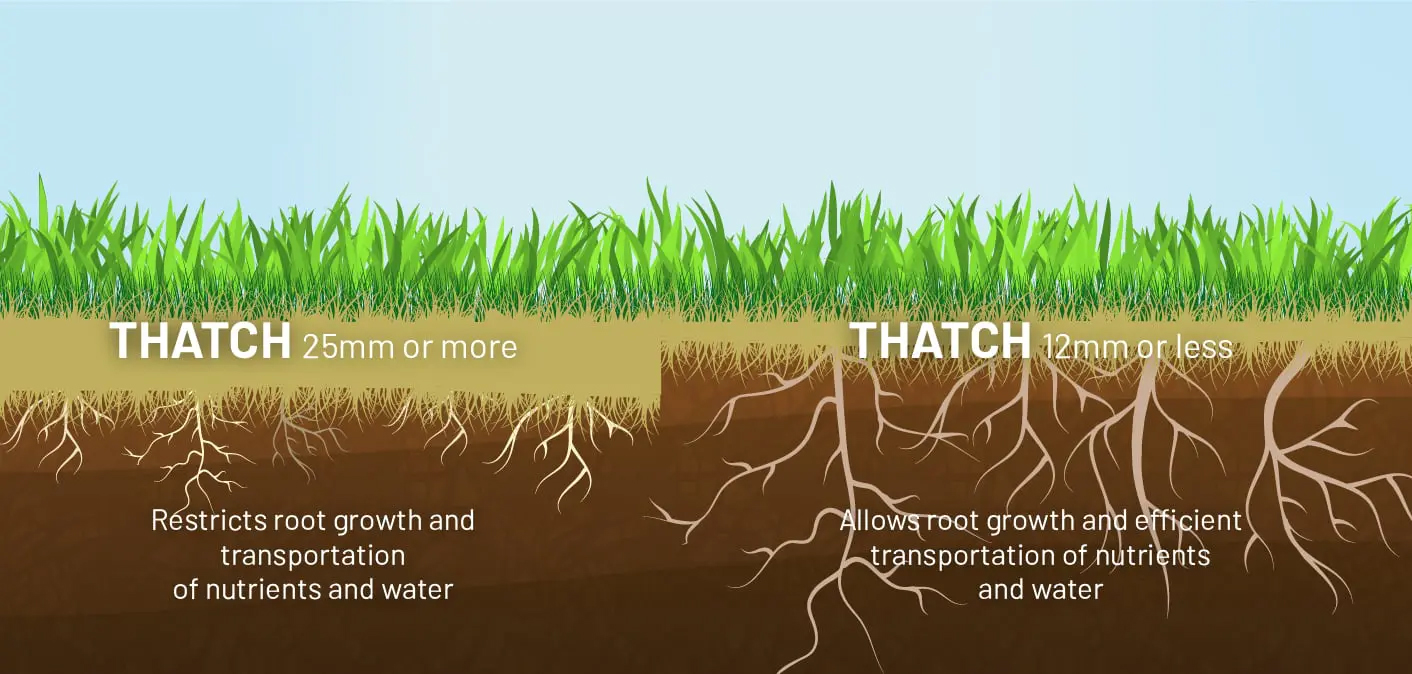
Thatch is the layer of dead grass stems, roots and organic matter that sits between the soil and the green leaf. A thin layer is normal — even helpful — because it protects the soil and retains moisture. But Buffalo grass, with its dense stolon-driven growth habit, is naturally more prone to building up excessive thatch over time.
In Victoria, our cool winters and warm summers can slow decomposition, allowing thatch to accumulate faster than it breaks down. If this layer becomes too thick, it prevents water, nutrients and air from reaching the soil, leaving the lawn stressed, pale or uneven.
That’s where dethatching comes in. Removing the excess allows your Buffalo to breathe, grow and green up again.
Before you begin, it’s important to confirm that dethatching is actually necessary — doing it too often can stress the lawn.
Here are simple checks:
In Victorian conditions, most Buffalo lawns only need dethatching every 2–3 years, depending on mowing habits, soil type and seasonal stress.
Timing is everything. Dethatching removes a portion of the lawn’s surface layer, so you want the grass growing actively so it can recover quickly.
In Victoria, the ideal window is:
Avoid dethatching:
Choosing the right season helps minimise stress and encourages quick regrowth.
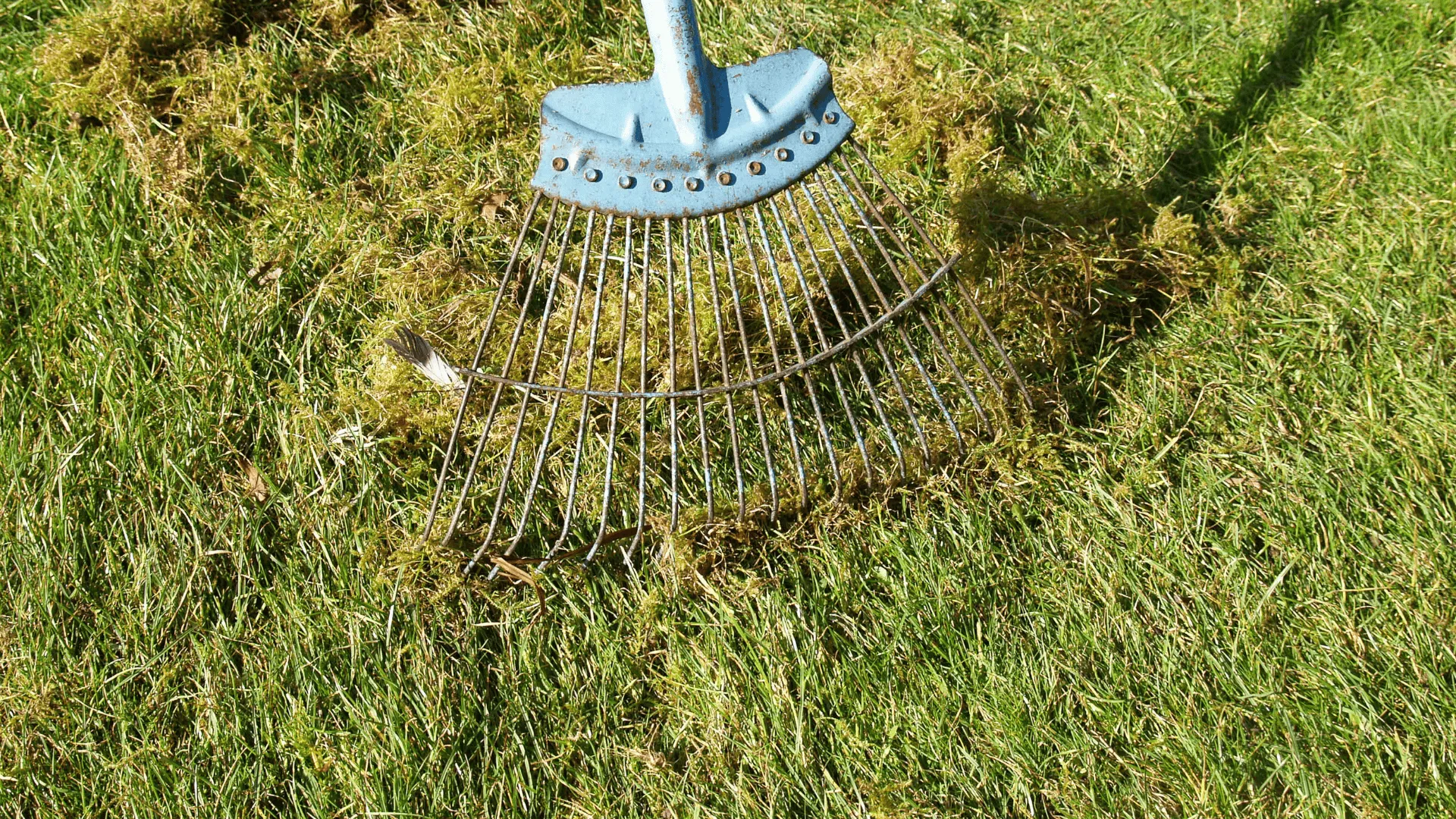
Dethatching isn’t complicated, and with the right tools, most homeowners can manage it confidently.
You can use:
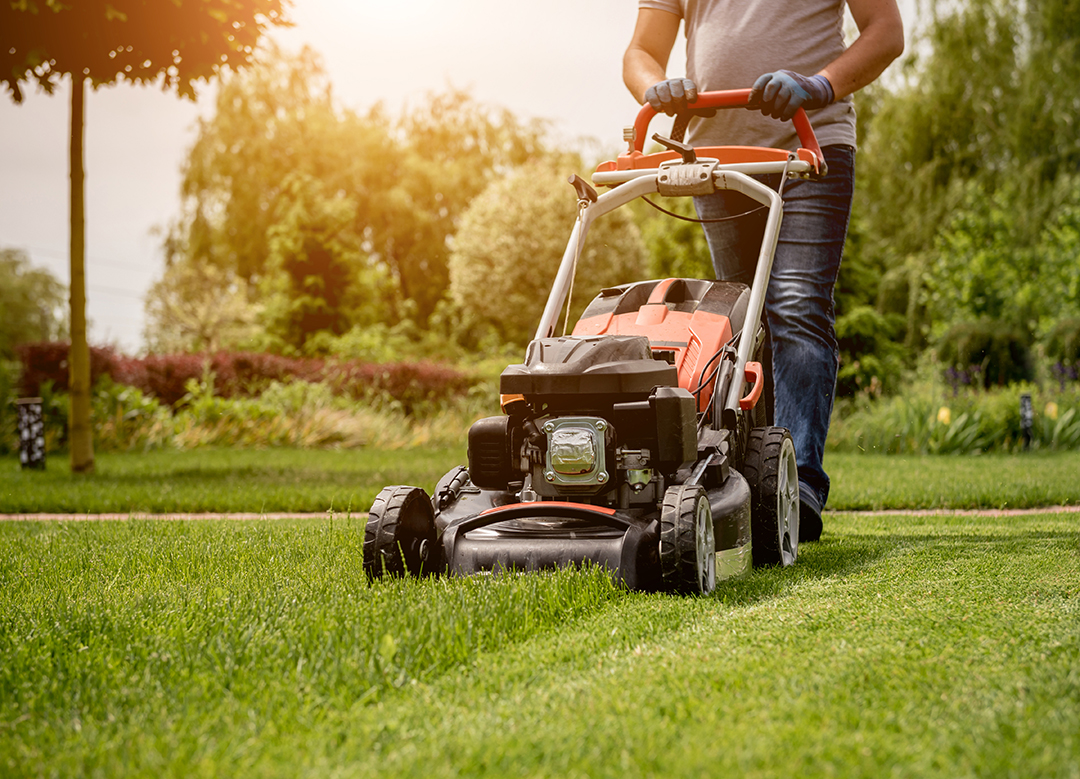
Start by mowing the lawn slightly lower than usual — not scalped, just enough to expose the thatch layer. Collect all clippings so they don’t add to the problem.
After dethatching, your Buffalo lawn may look patchy or stressed — this is normal.
Support recovery with:
Buffalo lawns typically recover in 2–4 weeks in warm Victoria weather.
Dethatching removes the surface organic layer.
Aerating, on the other hand, relieves soil compaction by creating channels that allow air, water and nutrients deeper into the root zone.
Both improve lawn health — but they treat different problems.
In Victoria, Buffalo lawns often benefit from doing both, with aeration after dethatching helping the lawn bounce back faster and encouraging deeper roots.
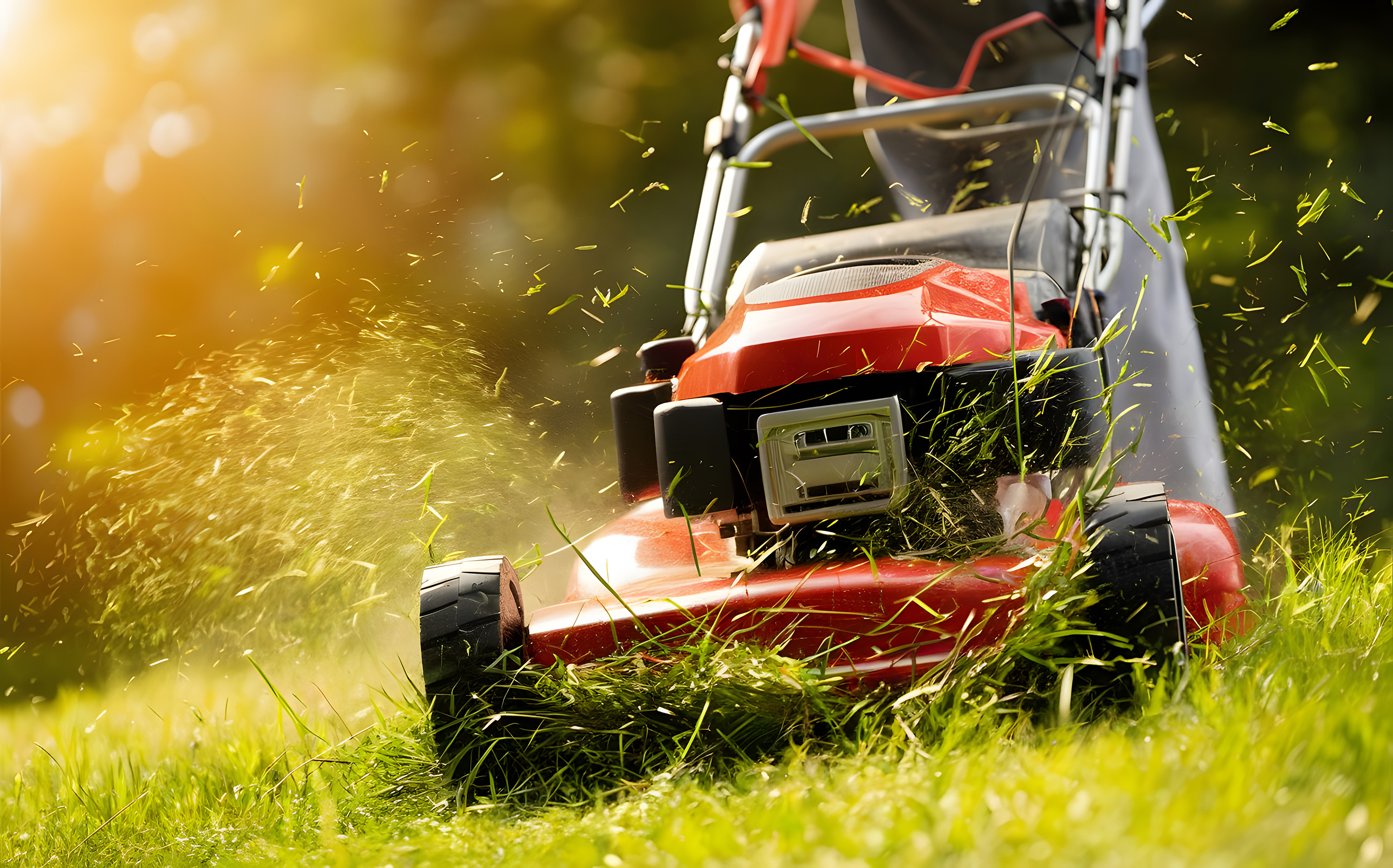
Good maintenance reduces how often you’ll need to dethatch. Focus on:
With these habits, dethatching becomes an occasional job rather than a yearly battle.
Dethatching is one of the most effective ways to restore your Buffalo lawn’s colour, resilience and texture. By learning how to dethatch your Buffalo lawn at the right time and with the right technique, you’ll set it up for a strong recovery and long-term health.
If you’d like personalised advice or support for your Buffalo lawn in Melbourne or wider Victoria, the HG Turf Group team is here to help with expert guidance every step of the way.