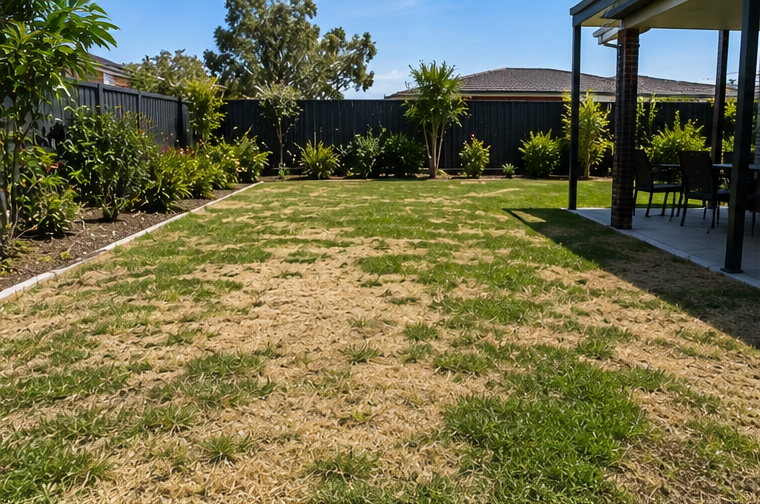
A Kikuyu lawn can go from lush green to patchy, brown or thin surprisingly quickly. Whether it's been through a hot Melbourne summer, a cold Victorian winter, or simply a period of neglect, it's easy to assume the worst. Fortunately, Kikuyu is one of Australia's toughest lawn varieties, and in many cases, a struggling lawn can make an impressive comeback.
The key is understanding why your Kikuyu is struggling before trying to fix it. Unlike Buffalo, Kikuyu is a vigorous, sun-loving grass that responds quickly when conditions improve, but it also reacts differently to shade, frost and watering.
This guide will help you determine whether your Kikuyu lawn can be saved, identify the cause of the problem, and walk you through the best recovery methods for Melbourne conditions.
Most Kikuyu lawns aren't dead, they're dormant or under stress. Before you start repairing the lawn, it's worth checking whether the grass is still alive.
Kikuyu spreads through both above-ground runners (stolons) and underground rhizomes. Lift back some of the brown leaf material and inspect the runners.
Pull gently on a small section of turf.
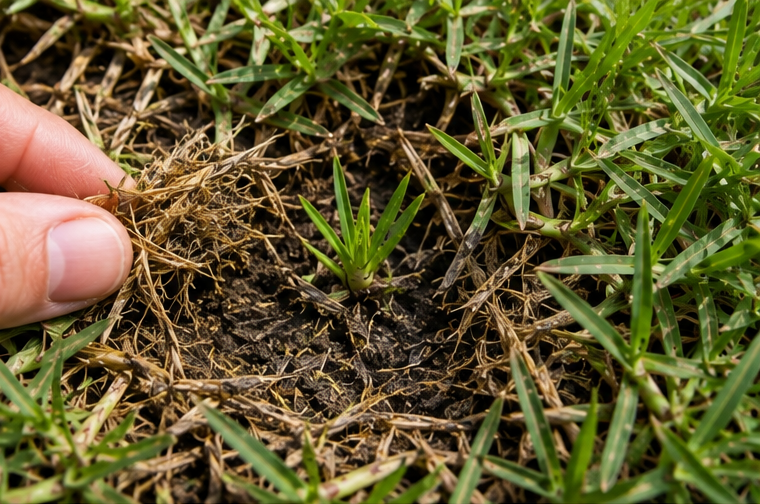
As soil temperatures warm, Kikuyu is usually one of the first warm-season grasses to produce fresh green growth.
If you can see new runners or shoots emerging, recovery is already underway.
Before treating the lawn, it's important to understand what's causing the decline.
These are the most common Kikuyu lawn problems we encounter throughout Melbourne and regional Victoria.
Unlike Buffalo, Kikuyu thrives in full sun. Areas receiving less than five to six hours of direct sunlight each day often become thin, patchy or completely bare.
Although Kikuyu is extremely drought tolerant once established, extended dry periods can send the lawn dormant. The grass turns brown to conserve energy but often recovers once moisture returns.
Many Melbourne homeowners mistake winter dormancy for a dead lawn. Kikuyu naturally slows during colder months and may lose much of its vibrant green colour until spring.
Heavy foot traffic, children's play areas and pets gradually compact the soil. Compacted ground restricts air, water and root development, causing weak growth and thinning.
Because Kikuyu grows quickly during warmer months, it uses nutrients faster than many other turf varieties. Without regular feeding, it can become pale, sparse and slow to recover.
Large trees don't just block sunlight. They also compete with the lawn for water and nutrients, making recovery much more difficult.
A successful recovery begins with preparing the lawn properly. Resist the temptation to simply apply fertiliser and hope for the best.
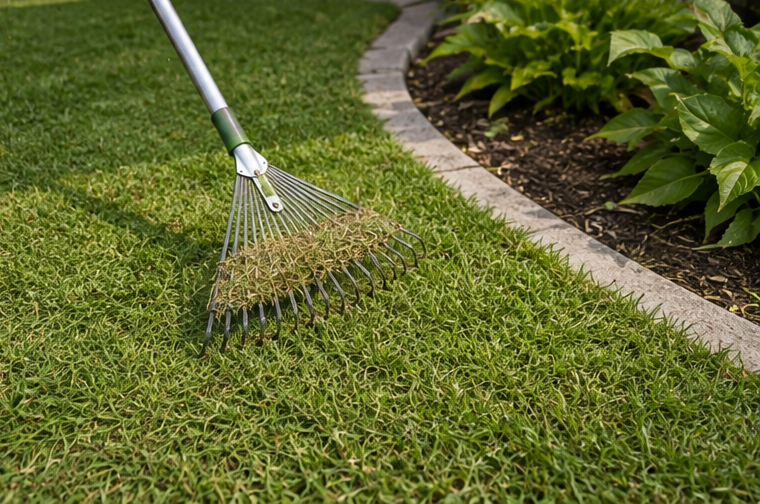
Rake away accumulated thatch, dead leaves and debris. This improves airflow and allows sunlight to reach the healthy runners underneath.
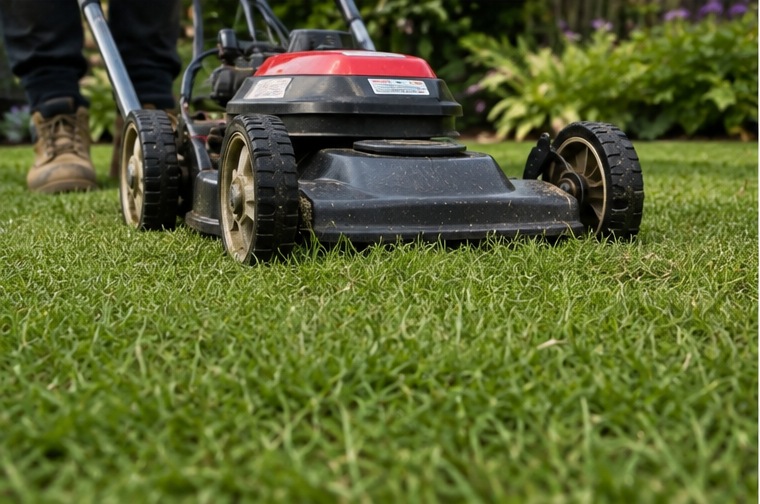
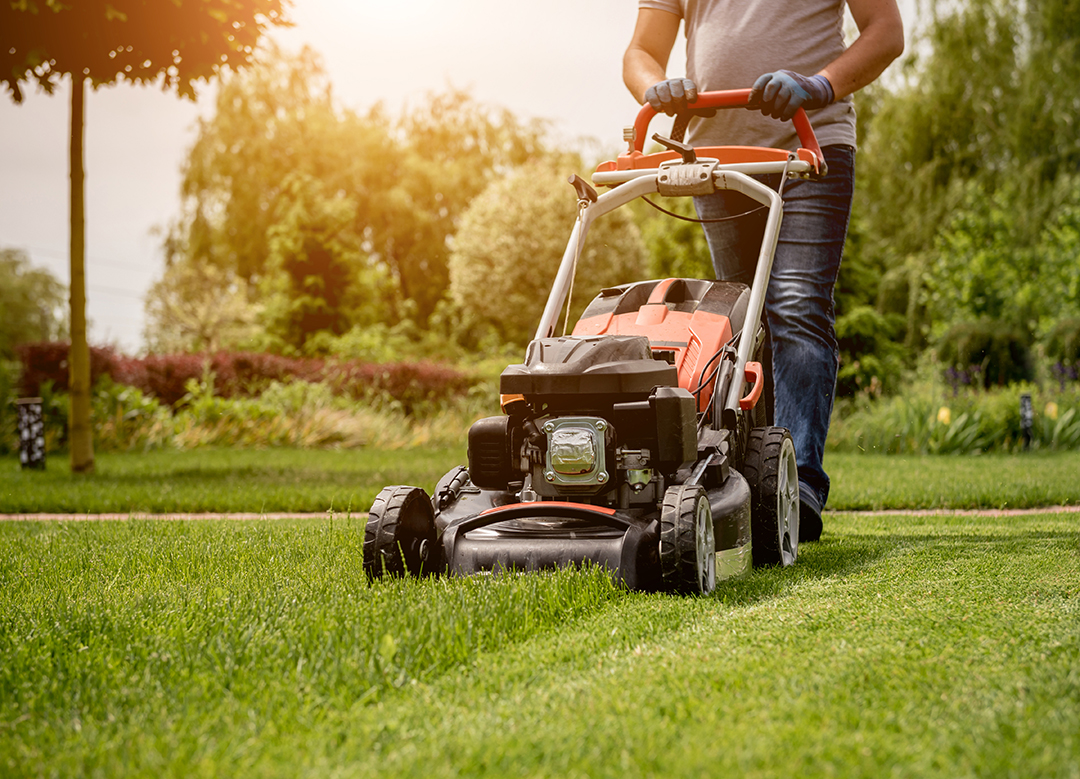
If the lawn has become long and untidy, reduce the height gradually over several mows. Avoid scalping the lawn, particularly if it's already under stress.
For most Kikuyu lawns, a mowing height of around 25 to 40 mm provides a good balance between appearance and healthy growth.
If the ground feels hard underfoot, aerating the soil will significantly improve recovery. Using a garden fork or core aerator helps water, nutrients and oxygen reach the root zone.
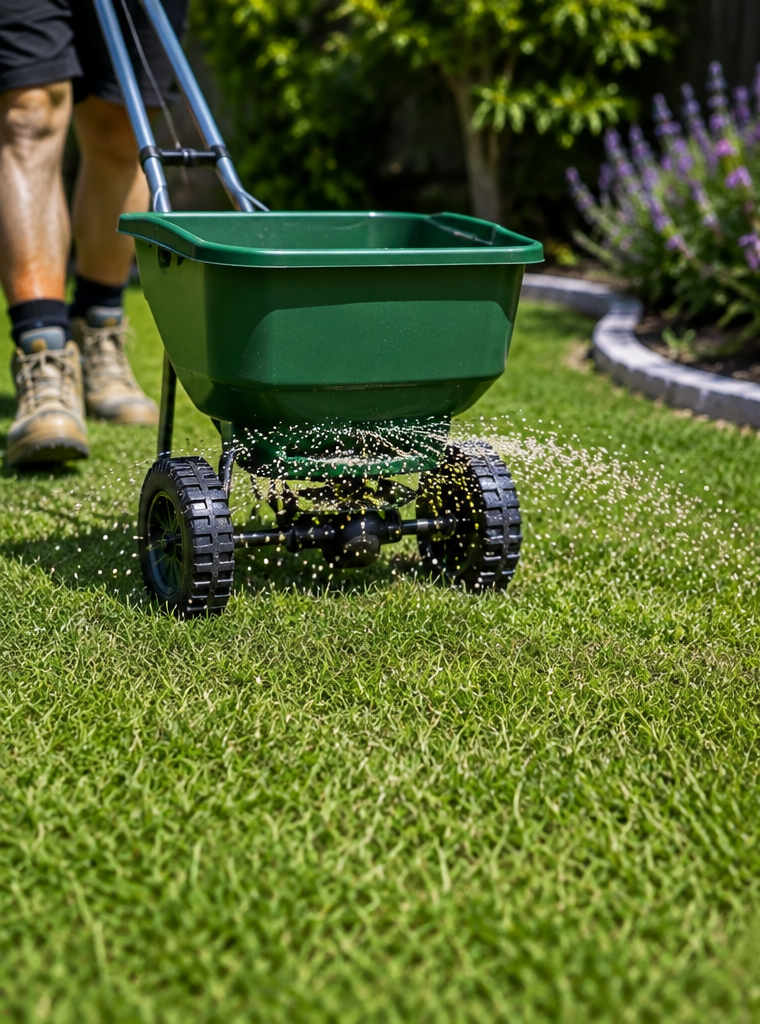
Applying fertiliser while Kikuyu is dormant during winter will produce very little response. The best results come when the lawn has begun actively growing in spring or early summer.
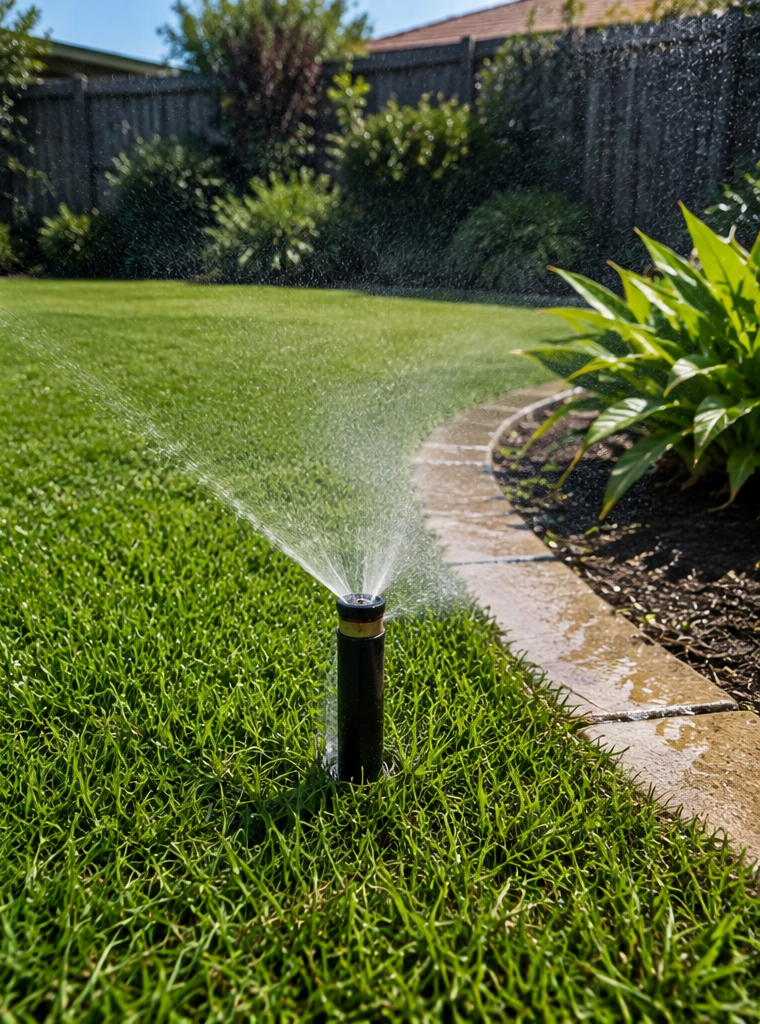
Recovering Kikuyu needs deep watering that encourages roots to grow deeper, not frequent shallow watering.
One of the biggest mistakes homeowners make is watering lightly every day. Instead:
This encourages stronger roots and improves drought resilience.
A recovering Kikuyu lawn will generally respond well to:
Most established Kikuyu lawns need very little additional watering unless the season is unusually dry. Keeping the lawn constantly wet during winter increases the risk of disease and slows recovery.
Kikuyu's vigorous growth habit makes it one of the easiest lawn varieties to repair.
Healthy runners surrounding the damaged area often spread naturally into small patches once growing conditions improve.
Prepare the soil by:
The runners will usually fill the gap over time.
You can speed up recovery by transplanting healthy Kikuyu runners or plugs from another section of the lawn. Because Kikuyu establishes quickly, these transplants often spread rapidly during the growing season.
Where extensive areas have died, replacing the damaged sections with fresh Kikuyu turf is often the fastest and most consistent solution. Good soil preparation before laying new turf helps ensure the repaired section blends seamlessly with the existing lawn.
Recovery varies depending on the cause of the damage and the season.
In Melbourne conditions, you can generally expect:
Because Kikuyu is such a vigorous grower, recovery during late spring and summer is often much faster than many homeowners expect.
While Kikuyu is incredibly resilient, there are situations where replacement makes more sense than ongoing repairs.
We generally recommend replacement when:
Starting with fresh turf often saves time, money and frustration, particularly when underlying soil issues can be corrected before installation.
Yes. Brown Kikuyu is often dormant rather than dead. If the runners remain healthy, the lawn usually recovers once temperatures rise and growing conditions improve.
Dead patches are commonly caused by drought stress, excessive shade, pet damage, soil compaction, disease or poor drainage.
Yes. Kikuyu spreads aggressively through runners and underground rhizomes, making it excellent at naturally repairing small damaged areas.
Generally, no. Wait until active growth resumes in spring, when the lawn can properly utilise the nutrients.
A struggling Kikuyu lawn doesn't automatically need replacing. In fact, most lawns simply need the right diagnosis, a little patience and a recovery plan that matches Melbourne's growing conditions.
By preparing the lawn properly, watering deeply, improving soil health and allowing Kikuyu to do what it naturally does best, many patchy lawns will recover into a thick, healthy green surface over the following growing season.
If your lawn has reached the point where recovery is no longer practical, replacing damaged areas with premium Melbourne-grown Kikuyu turf can provide an immediate fresh start and years of reliable performance.
Browse our premium Melbourne-grown Kikuyu turf or request a fast online quote from HG Turf Group today.